Top Custom Home Builder for Luxury Homes
Choosing the Right Custom Home Builder: Key Factors to Consider
Selecting the most suitable custom home builder is a crucial consideration that can profoundly shape the trajectory of a construction project. Multiple elements, such as the contractor's background, professional standing, and communication style, serve vital functions. Grasping one's own objectives and expectations is equally essential. As potential homeowners examine these components, they must also evaluate flexibility in design and pricing transparency. Each factor requires careful consideration, encouraging a deeper look of what ultimately determines a builder the perfect selection.
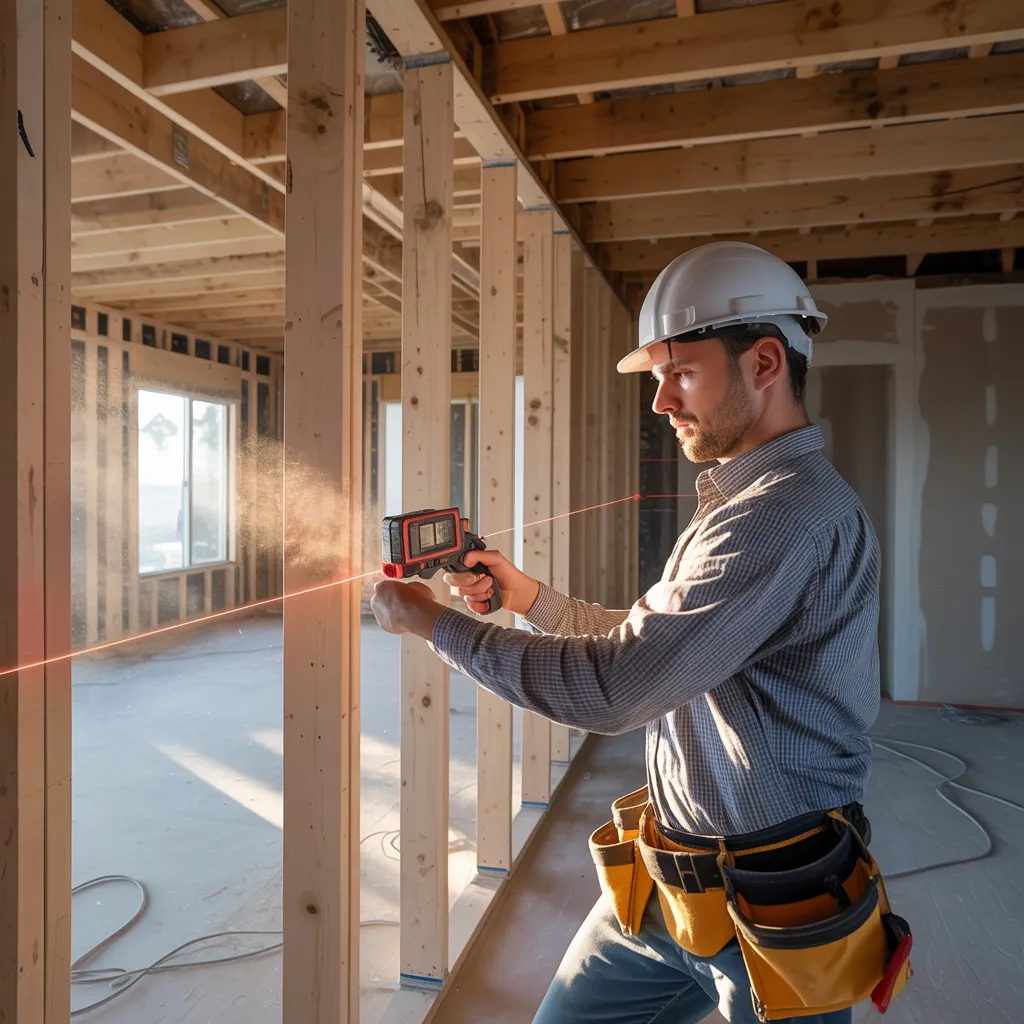
Examining Builder Experience and Reputation
When choosing a custom homebuilder, examining their experience and reputation is vital. A builder's portfolio of completed projects can reveal key details regarding their dependability and workmanship. Prospective homeowners should search for builders with a background of accomplished builds that align with their preferred aesthetic and standards. Checking online reviews and testimonials can uncover the perspectives of past clients, showcasing both advantages and shortcomings.
In addition, it is beneficial to confirm any professional certifications or memberships, as these often indicate a dedication to industry standards. Consulting with local real estate professionals or touring finished properties can also provide insights on a builder's track record. Researching details about how long a builder has worked in the industry can further support your evaluation, as years in business frequently reflect reliability and expertise. In summary, detailed analysis of a builder's qualifications and reputation lays a solid foundation for a successful home-building journey.
Comprehending Your Vision and Requirements
How can homeowners effectively articulate their vision and needs when starting on a custom home project? Being precise and clear is vital. Homeowners should begin by defining their lifestyle requirements, such as family size, daily routines, and future plans. Having this fundamental knowledge aids in shaping the overall design and function of the home. Tools such as inspiration boards or sketches can further help in communicating particular design preferences, spanning architectural designs to color selections.
Moreover, specifying budgetary boundaries allows construction professionals to deliver feasible choices without sacrificing the homeowner's vision. Periodic reassessment on priorities guarantees that the project keeps pace with changing requirements. Engaging in candid exchanges with family members can additionally clarify concepts, ensuring all viewpoints are acknowledged. Ultimately, a well-articulated vision functions as a foundational roadmap, enabling builders to turn conceptual dreams into physical structures while fostering a unified effort along the project lifecycle.
How to Assess Builder Communication and Collaboration?
Strong communication and team dynamics are vital considerations when evaluating a custom home builder. Evaluating initial response times, analyzing communication styles, practical resource and observing team collaboration dynamics can provide valuable insights into a builder's operational effectiveness. By prioritizing these key elements, homeowners can more accurately assess whether a builder suits their specific project requirements.
Initial Reply Time
Prompt communication acts as a key measure of a builder's professionalism and teamwork. When assessing residential construction professionals, prospective clients should pay close attention to initial response times. A builder who promptly acknowledges inquiries reflects appreciation for the client's time and an eagerness to move forward. Rapid replies frequently indicate a well-structured team that values client satisfaction. Conversely, delays in communication can signal potential issues within the builder's operations, including insufficient personnel or ineffective organizational strategies. Potential clients should carefully monitor response rates during preliminary engagements, as this can provide valuable insights into the builder's overall approach and reliability throughout the home-building process.
Communication Method Analysis
What methods can clients use to assess a builder's communication style and teamwork? Prospective homeowners can begin by evaluating initial interactions. Promptness in responses and clarity in information shared are critical indicators. Setting up a direct meeting or phone discussion can further expose the builder's preferred way of communicating. Noting how effectively the builder addresses client issues and explains remedies is crucial. Moreover, clients should question the builder regarding preferred communication platforms—including email, telephone, or face-to-face discussions—since these can impact overall project flow. Gathering testimonials or reviews from previous clients may also provide insights into the builder's effectiveness in maintaining open lines of communication. At the conclusion of this evaluation, recognizing these factors helps secure a joint and clear building journey.
Collaborative Team Dynamics
Understanding a builder's communication style establishes the foundation for assessing the dynamics of team collaboration. Strong collaborative efforts copyrights on transparent and consistent dialogue across all team members, including suppliers, architects, and subcontractors. Prospective homeowners should examine how the builder facilitates dialogue during project meetings, making sure every participant is heard. Evaluating the attentiveness of the builder to queries and challenges can demonstrate their dedication to collaboration. Moreover, looking into past work and client reviews may provide insights into the builder's capacity to cultivate a cohesive team environment. A cooperative work setting often leads to seamless project progress, minimizing delays and misunderstandings. At the core of it all, a builder's commitment to working together can have a profound effect on the overall success of the custom home building experience.
Examining Design Adaptability and Customization Selections
When selecting a custom home builder, evaluating design flexibility and customization choices is essential, as these elements significantly impact the overall contentment with the final product. A builder's willingness to adapt designs according to individual needs can significantly improve the client's overall experience. Future clients should inquire about the selection of design possibilities available, including layouts, building materials, and finishing options.
Furthermore, it is important to examine how the contractor integrates cutting-edge features and contemporary technologies, which can improve both functionality and aesthetic appeal. Clients should also review the builder's previous projects, reviewing how well they have carried out tailored requests in the past. Open communication regarding design ideas and the option to change plans during the building process can further reflect a constructor's focus on customization. Ultimately, detailed examination of these factors confirms that the chosen builder fits in line with the property owner's goals and lifestyle preferences.
Validating Licenses and References
Alongside licenses requesting references from past clients is essential. Happy clients frequently offer valuable information about the builder's professionalism, craftsmanship standards, and ability to meet deadlines. Homeowners should request a list of recent projects and reach out to these references for candid feedback. Online reviews and testimonials can supplement this information, offering a broader view of the builder's reputation. By thoroughly verifying licenses and references, homeowners can make informed decisions and guarantee a successful partnership in their custom home building journey.
How to Review Pricing From Custom Home Builders
When assessing pricing from custom home builders, it is crucial to understand the various pricing models they utilise. Requesting detailed estimates allows potential clients to review a detailed cost breakdown, ensuring transparency. Additionally, comparing inclusions and exclusions can uncover notable variations in value among custom builders.
Grasp Pricing Structures
How can one effectively navigate the multiple pricing formats presented by custom home builders? Comprehending these models is essential for conducting meaningful evaluations. Contractors commonly offer pricing in different formats, such as set-price contracts, cost-plus agreements, or design-build contracts. A firm-price agreement establishes a defined total in advance, reducing unexpected costs, while cost-plus agreements bill the real expenses along with a service fee, potentially leading to higher overall expenses. Design-build agreements streamline the process by combining design with construction, but costs may fluctuate significantly depending on the project scope. It is essential to scrutinize what is encompassed by each pricing format, such as allowances for materials and labor. By thoroughly understanding these structures, future homeowners can arrive at well-considered conclusions pertaining to their personalized home construction project.
Ask for Detailed Estimates
Gathering comprehensive quotes from residential construction specialists is crucial for informed price evaluation. These estimates should break down costs associated with labor, materials, permits, and supplementary charges. By gathering several bids, prospective homeowners can identify variations in costs and evaluate the extent of each builder's services. It is essential to ensure that bids are founded upon the identical requirements to support an precise comparison. Builders may offer various options, from economical to luxury materials, affecting overall costs. Prospective buyers should also ask about payment arrangements and any unforeseen expenses that may arise during the project. A comprehensive analysis of these estimates can highlight not only cost expectations but also the standard of integrity and competence of each construction company.
Compare Inclusions and Exclusions
What factors should homeowners consider when reviewing what custom home builders include and exclude? Initially, homeowners must establish what exact features are part of the base price, such as flooring, cabinetry, and fixtures. It is advisable for homeowners to carefully examine the quality and brands of these inclusions, as they can substantially affect overall satisfaction and long-term value. Additionally, understanding exclusions is crucial; these are costs that may arise later, such as upgrades or landscaping. Homeowners should request detailed lists from multiple builders to facilitate a clear comparison. Moreover, evaluating the customization options available within each builder's package can reveal potential hidden costs or savings. In the end, a comprehensive comparison can help homeowners arrive at a well-informed decision that matches their financial plan and expectations.
What to Anticipate From Warranties and Post-Construction Support
A feeling of assurance often accompanies the choice to purchase a custom home, particularly when evaluating warranties and post-construction support. New homeowners should look for comprehensive warranties that protect against structural integrity, major systems, and materials used in construction. Typically, these warranties extend for a specific period, ranging from one to ten years, guaranteeing protection against problems and flaws that could develop.
Post-construction support is equally important, as it gives homeowners the support they need after the project is finished. Builders should offer a well-defined procedure for resolving problems, performing routine maintenance inspections, and overseeing required fixes. Open communication is critical during this phase, as it builds a foundation of trust and makes sure that homeowners feel supported.
Ultimately, understanding the details surrounding post-construction support and warranties can greatly influence a homeowner's overall confidence and contentment, making it a vital aspect when deciding on a custom home builder.
Frequently Asked Questions
How Long Does the Custom Home Building Process Usually Take?
Custom home construction generally requires from six months up to a year or longer, depending on factors like permitting timelines, design complexity, weather factors, and the experience of the builder, all of which play a considerable role in determining the final timeline.
What Are Common Pitfalls to Avoid When Selecting a Builder?
Typical errors to avoid when hiring a builder include neglecting to check references, ignoring the specifics of the contract, not clearly expressing your expectations, overlooking the standard of completed past work, and neglecting to consider the builder's expertise with certain design styles or materials.
Can I Change My Design During the Construction Process?
Absolutely, design changes can be made during construction, but these modifications might cause setbacks and increased costs. It is essential to maintain clear communication with your builder to fully comprehend how such alterations could impact both the timeline and overall budget of the project.
What Financing Solutions Are Available for Custom Home Construction?
Various financing options exist for bespoke home building projects, including FHA loans, construction loans, and conventional mortgages. Potential homeowners ought to examine these alternatives, assessing interest rates, loan terms, and eligibility criteria prior to reaching a conclusion.
How Do Builders Handle Unexpected Issues During Construction
Contractors commonly tackle unanticipated challenges throughout the building process by assessing the situation, discussing matters with the client, and applying effective remedies. They often adjust timelines and budgets as needed, ensuring transparency and preserving overall project quality throughout the process.